Between March and October 2019, I gave back 38 percent of my trading account. That was roughly 9,500 dollars on a 25,000 dollar account, and the worst part was that my strategy actually had an edge. The setups worked. The backtests looked solid. The problem was me.
After reviewing six months of trades, I realized the damage came from five repeating behavioral mistakes that quietly drained capital while I blamed the market, bad luck, and “volatility.” Like many traders, I also found myself blaming my trading system for failures instead of recognizing my own mistakes. These were not complicated issues. They were simple, preventable errors that compounded into serious losses because I never tracked them or built rules to stop them.
This article lays out those five mistakes upfront so you get value immediately. Then I break down exactly what each one cost and how I fixed them through specific rules, tools, and behavioral changes, which will be discussed in detail below.
Here are the five biggest trading mistakes that nearly ended my journey as a trader:
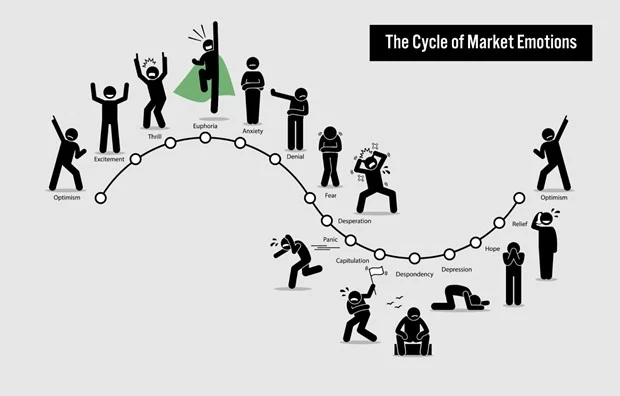
Before diving into the details, here is a quick snapshot of each mistake with the approximate cost based on my 25,000 USD account during 2019 and early 2020:
The rest of this article explains both the damage and the specific fixes for each mistake.
If there’s one lesson that stands out from years of trading stocks and managing my own trading account, it’s this: having a trading edge is non-negotiable if you want to survive and thrive in the markets. A trading edge is what separates a good trader from the crowd—it’s your unique advantage, the reason your trades have a positive expectation over time, and the foundation of every winning trade you make.
Without a trading edge, most traders fall into the same traps: emotional trading, chasing after every move, and making decisions based on fear or hope rather than a solid trading plan. This is where many traders fail. They jump from one strategy to another, take random trades, and let emotions dictate their actions. The result? A string of bad trades, mounting losses, and a trading account that never seems to grow.
Developing a trading edge isn’t about finding a magic indicator or copying what other traders are doing. It’s about doing your own research, understanding the market dynamics, and building a strategy that fits your personality, risk tolerance, and goals. For example, some traders find their edge in day trading volatile assets, while others focus on swing trading or even correlated trades to diversify risk. The key is to know exactly why you’re taking each trade and what gives you an advantage.
A true trading edge helps you manage risk on every single trade. It allows you to set stop loss orders with confidence, knowing that your plan is based on tested setups and not just gut feeling. When you have an edge, you’re less likely to make impulsive decisions or widen your stops out of fear. Instead, you stick to your plan, accept the occasional losing trade, and focus on the long-term profit potential.
Discipline is another major benefit. With a clear edge, you’re less tempted to overtrade or take positions outside your playbook. You know that not every day will bring good opportunities, and you’re willing to wait for the right setups. This patience is what keeps your account safe during bad days and allows your gains to compound over time.
Building a trading edge is an ongoing process. Markets change, and what worked last year might not work today. That’s why it’s crucial to keep learning, reviewing your trades, and refining your approach. Track your results, analyze your mistakes, and don’t be afraid to adapt when the data tells you something isn’t working. This continuous improvement is what keeps you ahead of the market and helps you realize your full potential as a trader.
Whether you’re trading stocks, forex, or any other asset, your edge is what keeps you focused, disciplined, and profitable. It’s not about making more money on one trade, but about building a sustainable approach that can weather the ups and downs of the market. As any good financial advisor would tell you, the right direction in trading comes from having a plan, managing your risk, and sticking to what works.
In the end, a trading edge is your best defense against common trading mistakes. It helps you avoid emotional trading, manage risk, and make decisions based on logic rather than fear. If you haven’t found your edge yet, start by reviewing your own research, tracking your trades, and focusing on what gives you consistent results. Over time, this discipline will save your account, improve your mental state, and put you on the path to long-term success.
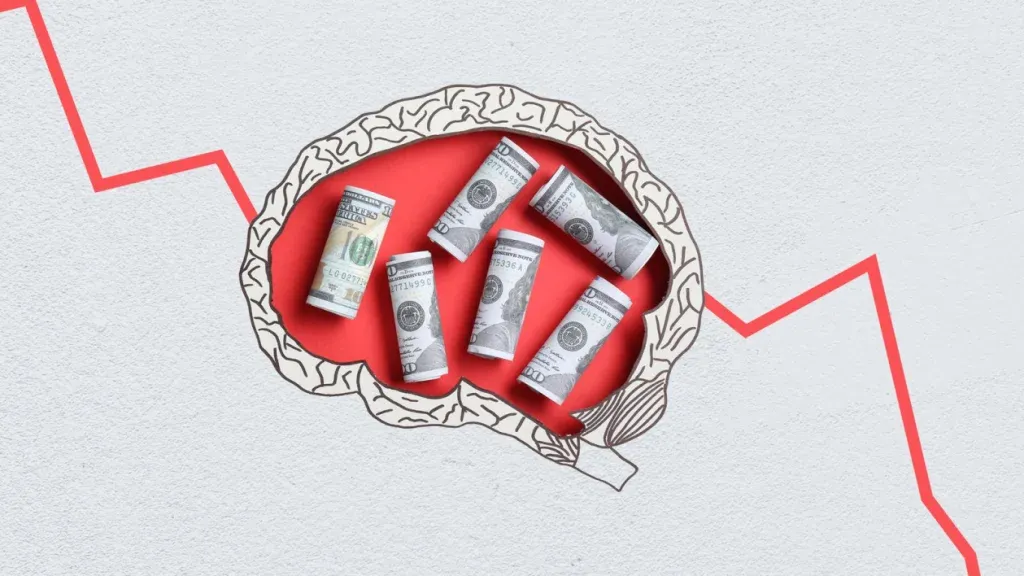
On a Wednesday in June 2019, I lost 600 dollars on ES futures during the morning session. Clean entry, reasonable stop, just wrong. Instead of walking away, I doubled my position size on the next trade because I wanted to “make it back before lunch.” That trade hit my stop within 40 minutes, costing another 1,400 dollars. I gave back nearly a full month of gains in one afternoon. Using leverage in these situations can amplify both gains and losses, so if not managed carefully, it can quickly lead to substantial losses.
This was not a one time event. It was a pattern of emotional trading where my position size depended on how the last trade felt instead of a predefined risk rule. Most traders do not track whether they slightly over-bet or under-bet on a trade, which can lead to unexpected losses.
The behavior looked like this:
The cost was real:
The fix was implemented in September 2019:
The improvement was immediate. In October 2019:
Here is the exact process I use for sizing every trade, using a real example:
Account size: 26,300 USD Risk per trade: 0.8 percent Stop distance on EURUSD: 30 pips
Step by step:
The formula in plain language: divide your dollar risk by your stop distance in pips to get your dollar per pip requirement, then divide by the standard pip value to get your lot size.
This process is written in my trading plan and must be completed before order submission, not after. If I cannot calculate the correct size, I do not take the trade.
In August 2019, I entered a long position on Apple stock as an intraday trade. The plan was simple: 300 dollar risk, tight stop, capture a bounce off support. When price dropped through my stop level, I did not exit. Instead, I moved the stop lower and told myself the support was “just below.”
Three days later, that day trade had become a “swing position.” A week later, I called it a “long term investment.” When I finally closed it, I had lost 1,250 dollars instead of the planned 300. The trade had consumed mental energy for nine days and tied up capital that could have been used elsewhere.
The psychological drivers were predictable:
This big mistake cost real money:
The fix started in November 2019:
The practical changes:
The before and after:
Here are the three specific rules I follow for every losing trade:
This rule saved me real money. In March 2020, crude oil was collapsing. I had a long position that looked bad within minutes of entry. Old me would have moved the stop, hoping for a bounce. New me let the stop hit and took the 250 dollar loss. Crude dropped another 8 percent that session. What would have been a 2,000 dollar disaster became a manageable small loss.
Copy these rules into your own trading plan. They work precisely because they remove decision making in the moment when your mental state is compromised.
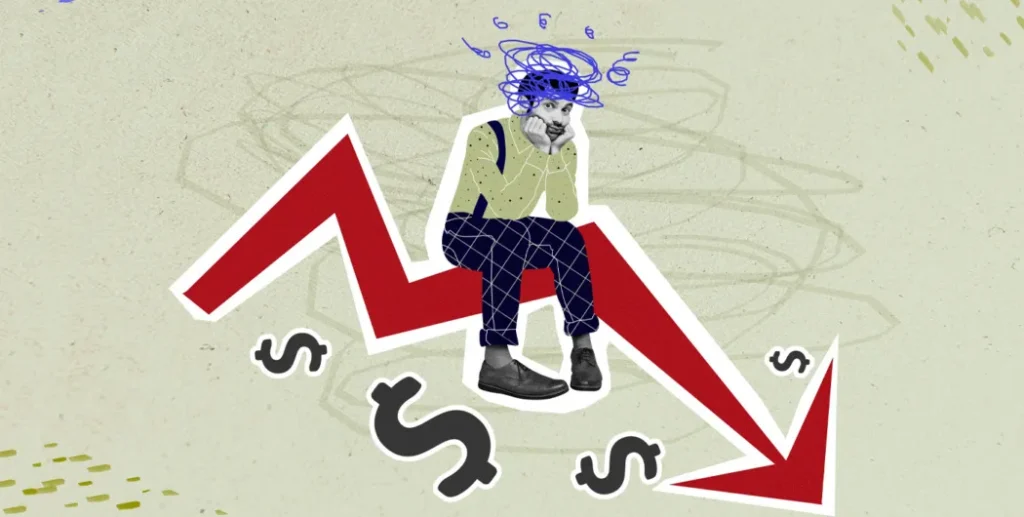
On a Thursday morning in July 2019, I watched a clean NASDAQ breakout setup form perfectly according to my plan. I hesitated, waited for “more confirmation,” and missed the entry by three points. Frustrated, I spent the next two hours taking five impulsive scalp trades on USDJPY and gold. Neither market was in my playbook. I had no tested edge on either. I lost 700 dollars by noon on trades I should never have taken.
Random trades are any trade that was not predefined in your written trading plan. This includes:
Lacking discipline is a key reason traders fall into the trap of taking random trades, as it leads to poor decision-making and deviation from a structured trading plan. Many traders make this mistake because missing a good setup feels like a failure. The impulse is to “make up” for the missed opportunity by trading something, anything. Trading based on short-term fluctuations, known as trading the noise, is especially dangerous and often results in losses rather than gains. Chasing the market after significant moves can also lead to buying at peaks just before reversals, which is a common outcome of random, undisciplined trades.
The cost was significant:
The fix began in January 2020:
The practical filter:
This approach dramatically reduced random trading and helped me develop discipline over several months.
Creating the playbook started with reviewing my own research on past winning trades from 2018 and early 2019. I looked for recurring conditions rather than indicator signals.
The two setups I committed to:
I stored screenshots, notes on typical volatility, and stop sizes in a folder. I reviewed this folder every Sunday to reinforce the patterns.
For new traders, I strongly recommend limiting yourself to one or two setups for at least three months. This constraint forces focused execution and generates clean data on what actually works.
On July 31, 2019, the Federal Reserve announced its rate decision at 2:00 PM. I had promised myself I would wait for the dust to settle. Instead, I opened five trades within 20 minutes on EURUSD and gold. Three of them were direct reactions to the last candle rather than any planned setup. By 2:45 PM, I had lost 1,050 dollars.
The market was doing exactly what markets do during FOMC. I was the one making trading mistakes by expecting normal price action during abnormal conditions.
Overtrading means:
The data was clear:
The fix was implemented in early 2020:
Additional behavioral constraints:
In May 2020, these rules prevented me from trading a highly volatile NFP spike. I watched other traders blow up their accounts that day while my equity sat flat. The rules saved what would likely have been a 1,000 plus dollar loss based on my past behavior.
Here are the exact numeric limits I use:
Example from a recent session:
Without the limit, I would have taken three or four more money losing trades trying to recover. The rules prevented additional revenge trades that would have deepened the loss.
Place these limits at the top of your trading journal as a pre session checklist. Decide the numbers in advance when you are calm, not in the heat of the moment when emotions are running high.

Between January 2018 and March 2019, I cycled through at least four different trading approaches:
Every time I hit three or four losing trades in a row, I abandoned the current method and went searching for something new. The cycle was predictable: lose money, feel frustrated, find a new “better” strategy, start over.
Assuming you have a sound trading strategy, it’s crucial to give it enough time to play out. A robust trading plan is the engine of any market move, and having one or several bad days doesn’t directly signal the strategy is poor. Overconfidence often leads to significant trading errors, especially when switching strategies too quickly. Many traders fail because they never give any single approach enough trades to prove itself. Most strategies need at least 100 trades before you can draw meaningful conclusions about their profit potential. Sticking to the trading plan through thick and thin can often be the best move for traders.
The cost was severe:
The fix began in December 2019:
The tracking process:
The results from the first 100 trade sample between January and April 2020:
For the first time, I had actual data to improve discipline rather than assumptions driven by fear.
Here is the exact commitment rule I followed:
The 100 trade log was structured with these columns:
| Date | Market | Setup Label | Risk Percent | Result in R | Rules Followed | Comments |
|---|---|---|---|---|---|---|
| 01/06 | EURUSD | London Pullback | 0.8% | +1.4R | Yes | Clean entry |
| 01/07 | NQ | US Breakout | 1.0% | -1.0R | Yes | Stopped out |
One concrete observation from that 100 trade sample: trades taken after 16:00 London time had a noticeably lower win rate. I removed those late session trades from my plan entirely based on the data.
View your first 100 trades as tuition for knowledge and data collection. The goal is learning, not necessarily making more money immediately. The gains come later when you have real evidence about what works.
In late 2019, I created a simple trading error journal in Google Sheets. This was separate from my regular trade log. The purpose was to track every mistake independently from trade outcomes.
I realized that a professional trader does not just track wins and losses. They track the behaviors that cause losses. Many traders focus on the wrong metrics.
Here is what I tracked for each mistake:
| Date | Market | Error Type | Extra Loss or Missed Profit | Rule Broken |
|---|---|---|---|---|
| 11/05 | EURUSD | Oversized position | +$420 extra loss | 1% risk cap |
| 11/12 | NQ | Moved stop | +$380 extra loss | No widening stops |
| 11/18 | Gold | Random trade | $210 loss | Not in playbook |
A concrete monthly snapshot:
The difference was not better setups. It was fewer unforced errors.
This tracking changed my behavior because:
The data revealed that fixing position sizing and stop loss discipline produced far more gains than searching for new indicators or strategies. My own research on my own trading proved more valuable than any YouTube tutorial.
If you do nothing else from this article, start an error journal. Track every time you break your rules and quantify what it costs. The numbers will save your account.
The largest losses in my trading account came not from bad market conditions or flawed strategies. They came from five recurring behavioral mistakes that I repeated until I built specific rules to stop them.
Here is the recap:
Every fix was rule based and measurable. That is the key to improve discipline over time.
If you recognize one of these common trading mistakes in your own trading, pick that one and apply the fix for at least one month or 30 to 50 trades before making further changes. Do not try to fix everything at once. Focus on one mistake at a time.
Consistent execution of a simple edge with strict rules to manage risk turned a volatile 2019 into a more stable and modestly profitable 2020 on the same starting capital. No magic indicators. No expensive course. Just fewer unforced errors and the discipline to wait for setups that matched my plan.
Reducing trading errors now can lead to better results in the future, as each improvement compounds over time. Developing a mindset focused on long-term trading goals is essential to avoid emotional trading and stay disciplined. Many traders fail to recognize that their mistakes can lead to a cycle of blaming the trading system instead of their own errors, which prevents real progress.
That is the difference between a good trader and one who keeps giving back gains. Start tracking your mistakes today, and realize that the path to profitability is often about what you stop doing rather than what you add.